Within the healthcare sector, one term holds immense power: the OIG exclusion List. The list is a database published by the Office of Inspector General (OIG) that identifies individuals or organizations. Those are not permitted to participate in federal healthcare programs, including Medicare and Medicaid. In addition, the implications of being on this list are devastating for health professionals, as it means the end of all job opportunities. Under the organizations they have been working with, they also stopped receiving federal funding.
The consequences for organizations found guilty of employing an excluded entity or individual include massive Civil Monetary Penalties (CMP). It’s easy to understand the risk of OIG exclusion, but the real challenge is knowing how to prevent it. It involves not only staying away from committing any illegal activities but also building an environment that values compliance and ethical practices. Below are the most frequent causes of exclusion and ways in which you can avoid these scenarios.
Understanding Behaviors That Lead to Exclusion
Before getting on the track to avoid being on the list, it is essential to understand how people end up on it. What are the actions that land them there? The OIG excluded entities are categorized by the OIG, which has the authority to impose and prove this exclusion for a wide range of conduct. It is generally categorized into two types: mandatory and permissive. Being aware of the actions that trigger these is crucial for every employee, whether they are at the front desk or the operating room.
- An OIG-imposed mandatory exclusion applies to individuals involved in a serious offense. These are required by law to be barred and to serve a ban period of at least 5 years.
- On the other hand, the permissive OIG exclusion is made at discretion. These often involve misdemeanors or non-criminal sanctions, but still impose some form of punishment for a breach of professional conduct.
The professional who becomes OIG-excluded under either category faces a major compliance risk. The path to being on the list and to being an excluded entity often stems from a small situation we overlook. It could start from just this once by offering a service to meet a billing target or as blatant as accepting kickbacks. Below is a table illustrating the types of behaviors that can lead you to being an OIG excluded individual with a real-world context.
| Exclusion Type | Governing Reason | Real-World Example for an Employee |
|---|---|---|
| Mandatory | Medicare or Medicaid Fraud | A medical biller intentionally uses incorrect CPT codes to claim higher reimbursement for services rendered (upcoding). |
| Mandatory | Patient Abuse or Neglect | A nursing home aide is convicted of physically striking a resident or failing to provide necessary food and water. |
| Mandatory | Felony Healthcare-Related Fraud | A physician is convicted of a felony for billing a private insurer for “ghost patients” who never received care. |
| Mandatory | Felony Drug Conviction | A pharmacist is convicted of a felony for illegally diverting and selling controlled substances like opioids. |
| Permissive | License Revocation or Suspension | A registered nurse has their state license suspended for practicing outside their scope of authority or for substance abuse issues. |
| Permissive | Misdemeanor Healthcare Fraud | A therapist is convicted of a misdemeanor for altering patient records to justify services that were not medically necessary. |
| Permissive | Providing Unnecessary Services | A physical therapist continues to provide and bill for sessions long after a patient has reached maximum medical improvement. |
| Permissive | Default on Health Education Loan | A physician defaults on a government-backed student loan used to finance their medical education. |
Building a Proactive Defense: Training and Culture
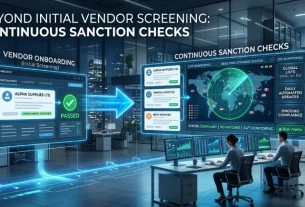
Avoiding exclusion screening by OIG or being on the list is more than just knowing the rules. It actually demands a proactive approach and organization-wide commitment to compliance. As an organization, to protect yourself, you need to build a resilient defense through continuous training. For all employees and staff, it fosters a strong ethical culture and robust internal processes, such as continuous screening.
Pillar 1: Practical Training for Staff
- Ethics & Behavior: The training needs to be provided on a scenario-based basis to address gray areas, such as sanitation issues and misconduct. It teaches and raises awareness among staff about the actions they need to take, making it easy to implement in real life.
- Accurate Billing and Coding: Every staff member involved in the revenue cycle needs training that teaches and keeps them up to date. It includes the proper documentation, medical necessity, and the dangers of upcoding or unbundling.
- Recognition of FWA: FWA stands for Fraud, Waste, and Abuse, and employees must be educated on it. It helps them recognize warning signs of fraud and abuse (such as excessive testing and billing anomalies) without fear of reprisal.
Pillar 2: Preventive Compliance Culture
- Leadership by Example: The superiors, such as managers and executives, need to visibly comply with compliance. If they prioritize ethics over practices, the employees themselves will follow them.
- Transparent Communication: A clear, confidential system for reporting fraud and compliance issues benefits the organization. Maybe setting up an anonymous hotline or a designated complaints officer is a good idea.
- Regular Audits and Monitoring: Continuous internal audits and monitoring across audits, billing, coding, and documentation are vital. Without waiting for a government audit, it is essential. It helps you keep tabs on what’s going on in the organization so you can perform consistently.
- Consistency: Enforcing policies consistently throughout the organization.
Concluding Here!
Being attentive to legal matters and following the rules is essential to staying off the OIG exclusion list. For employees, it requires a strict commitment to ethical conduct and meticulous documentation, and the courage to stand up when things go wrong. For organizations, it requires a robust support framework that includes ongoing training and transparent monitoring by police and vigilantes.
For the protection of employees and the organization, the exclusion and screening is not a one-time commitment. Rather, it’s an ongoing commitment that serves by fostering a culture where compliance is a shared value. If you want the search to be conducted in a timely and accurate manner, change your manual form to an automated one. With Venops, it is more than possible to have served many industries so far and addressed the needs of many organizations.
We are the bulletproof shield for your organization, detecting OIG exclusion before it affects your organization.
FAQs
What really happens when I am put on the OIG exclusion list?
Being on this list means you are not allowed to receive any payments from any federally funded health care programs, such as Medicare, Medicaid, or TRICARE. Whether in a clinical capacity or in administration, billing, or IT.
Once I'm on the list, will I be allowed back into my work?
Yes, it is possible, but you will need to apply for reinstatement after your period of exclusion ends. The application should be made to the OIG. The OIG will then assess your conduct since your exclusion period started.
How does an employer determine if an individual is OIG excluded?
An employer needs to perform exclusion checks from the LEIE and all relevant state Medicaid exclusion lists. It must be conducted on a monthly basis to keep up with the latest updates. You can use Venops’ services to receive updates and run this check monthly. Contact us today and clear up your query.
Can you explain the difference between an OIG exclusion and a revoked license?
License revocation is an action by a state licensing board, such as the Board of Nursing. While a revoked license can be grounds for exclusion screening done by OIG, the two are not the same. A person may lose a license without being excluded, or be excluded without losing a license.