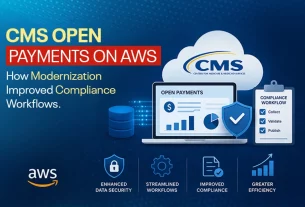
In healthcare acquisitions, checking the CMS open payments data is frequently an under-appreciated part of due diligence. Mergers and acquisitions in the field of medicine involve detailed and complicated financial and legal analyses to facilitate smooth integration of businesses. Nevertheless, getting the physician network requires inheriting its public financial records as well. The unchecked transfer of value data may pose unexpected risks that might affect negotiations. Checking public databases prevents the acquiring party from inheriting hidden reputational problems.
To reduce these risks, inclusion of the CMS open payments data review in the general audit program is simply indispensable for modern healthcare administrators. The moment a hospital buys out a private practice, all past issues of financial interactions with pharmaceutical manufacturers become its issues too. Ignoring the important compliance data may cause future problems for the acquiring party. By using sophisticated monitoring tools, one may be sure that the acquisition is transparent and risk-free for the newly acquired healthcare business.
Identifying Compliance Risks Before Integration
As medical networks expand through strategic acquisitions, evaluating a physician’s historical data within the open payments CMS system becomes a critical phase of operational due diligence. Unmanaged financial transparency records can easily derail otherwise profitable mergers. To maintain institutional integrity, executives must systematically analyze past industry interactions. Partnering with a specialized solution like Venops allows organizations to proactively audit this information. Here are the primary reasons why evaluating these transparency records is mandatory during corporate healthcare expansions:
1. Uncovering Hidden Conflicts of Interest
Many physicians already have consulting agreements and/or grants with the medical device industry. Early identification will ensure no instant compliance conflicts arise between the acquired doctor’s history and the internal compliance regulations and purchasing groups within the acquiring hospital.
2. Protecting Institutional Reputation
Both patients and the media keep a watchful eye on public transparency databases. Inadvertently inheriting doctors with extensive and undisputed CMS Open Payments history can harm the reputation of the health system undergoing an acquisition and undermine critical trust with their patients.
3. Streamlining the Dispute Process
Disorganized data aggregation takes an enormous amount of work. Venops enables compliance officers to swiftly aggregate and dispute any incorrect reports of transferring values before the actual acquisition.
4. Ensuring Regulatory Adherence
Government oversight of the relationship between physicians and industry is always increasing. An audit of prior years will ensure that the new organization stays compliant with all Sunshine Act requirements right from the start.
Structuring the Due Diligence Workflow
Effectively managing physician transparency data during a hospital acquisition requires a highly structured, analytical approach. Utilizing a dedicated platform like Venops streamlines this complex due diligence phase, quickly transforming scattered payments reports into actionable business intelligence. Below is a strategic breakdown illustrating how compliance executives systematically evaluate these records during the transition lifecycle.
| Acquisition Audit Phase | Strategic Action Required For Review | Target Due Diligence Outcome |
|---|---|---|
| Initial Baseline Assessment | Extract historical physician data systematically utilizing Venops advanced tracking platforms. | Identifies the total reported transfer of value records accurately across the target medical group. |
| Internal Policy Conflict Check | Compare Open Payments CMS documentation against the acquiring hospital’s compliance standards. | Highlights immediate purchasing committee conflicts or prohibited industry relationships requiring rapid resolution before closing. |
| Advanced Data Validation | Cross-reference federal reports with the acquired physicians’ internal travel and expense logs meticulously. | Finds critical discrepancies within the public CMS Open Payments database needing immediate correction. |
| Proactive Dispute Initiation | Initiate federal disputes on identified incorrect files during the mandated review period swiftly. | Clears inaccurate historical financial data prior to the final corporate merging and integration. |
| Executive Integration Reporting | Generate a comprehensive compliance integration summary detailing all resolved and pending value transfers. | Ensures a seamless, completely risk-free organizational onboarding process for the newly acquired healthcare providers. |
Wrapping It Up!
Understanding CMS open payments regulations while executing a corporate merger will guarantee your organization does not face serious compliance issues. Careful research of such federal documents will allow your growing health care system to preserve its integrity. Financial transparency from the very start of negotiations will help you avoid legal troubles and media disasters in the future. Your focus on handling such documents will eventually contribute to making the transition easier for all new employees.
Applying the most innovative software solutions makes handling these documents quite easy and quick. Focusing on CMS open payments research, your executives protect your hospital’s impeccable reputation. Proper technological partnership will make your compliance team manage complicated data confidently. Eventually, handling transparency proactively will allow your health care organization to concentrate on providing quality medical assistance to patients without any federal audit disruptions.
Frequently Asked Questions
Why is reviewing federal transparency data important in a merger?
Reviewing such data reveals the existence of conflicts of interest. It ensures that the buying health care facility does not inherit false financial records in the public domain, thereby averting any future reputation loss and legal complications.
How would the historical data influence the hospital purchase committee?
There could be some pre-existing financial relationship between the acquired doctors and particular medical device companies. Identifying this prevents a conflict of interest and guarantees that all the buying decisions made by the hospital will be ethical.
How does Venops help to solve the dispute over federal data?
Our software compiles all the federal transparency data to present it in one place on the dashboard. This enables the compliance staff to quickly spot any mistakes and start an official dispute process in time.
Could Venops manage the data for a large hospital network acquisition?
Absolutely, our platform is built for scalability. We process huge amounts of doctor information for full due diligence and integration in the case of big corporate healthcare mergers and acquisitions.
Does Venops do the monitoring after the deal?
Yes, we do constant and yearly monitoring. Such a proactive approach ensures your entire healthcare network remains fully compliant, identifying potential issues long before the annual government reporting and dispute window opens.